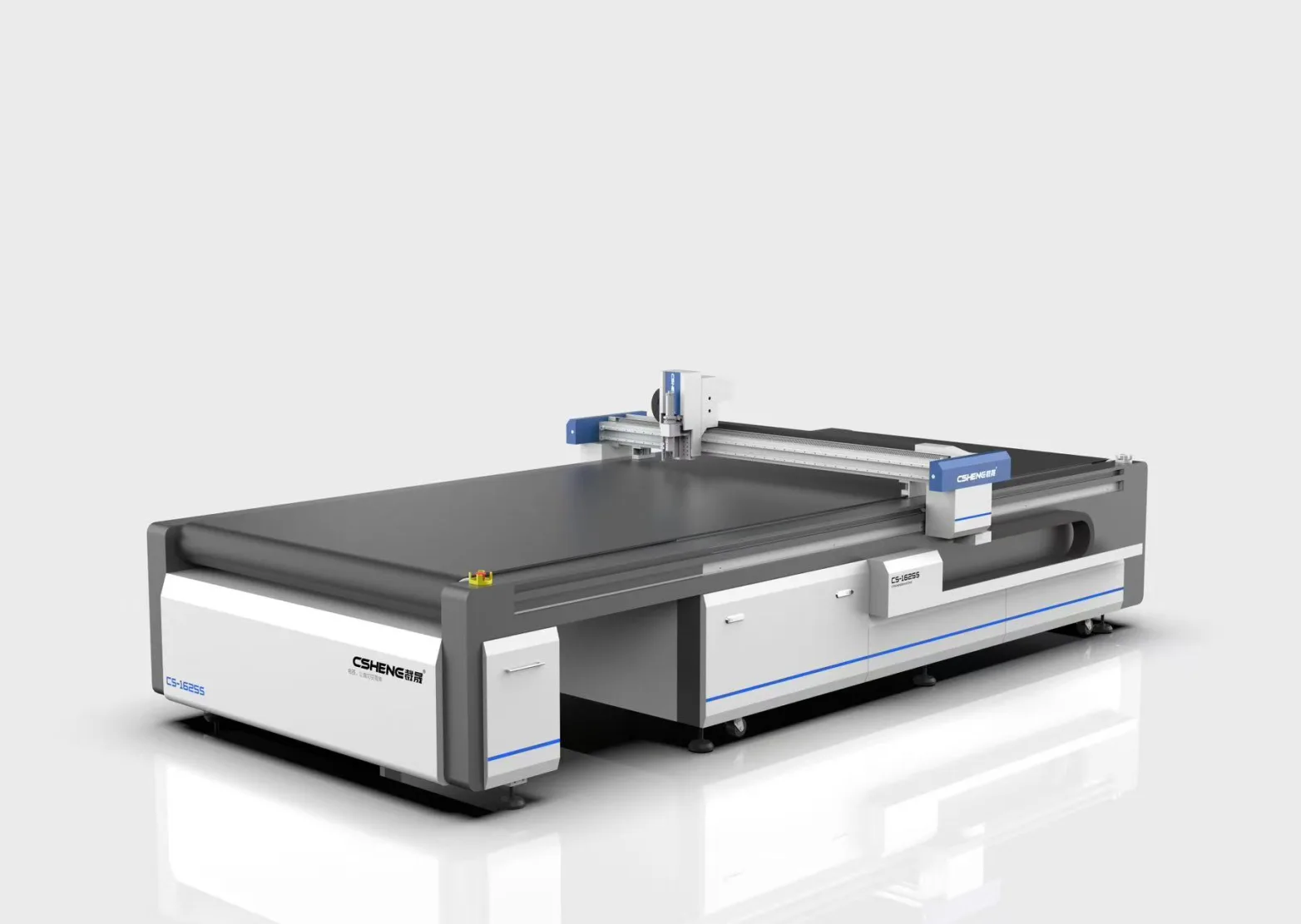
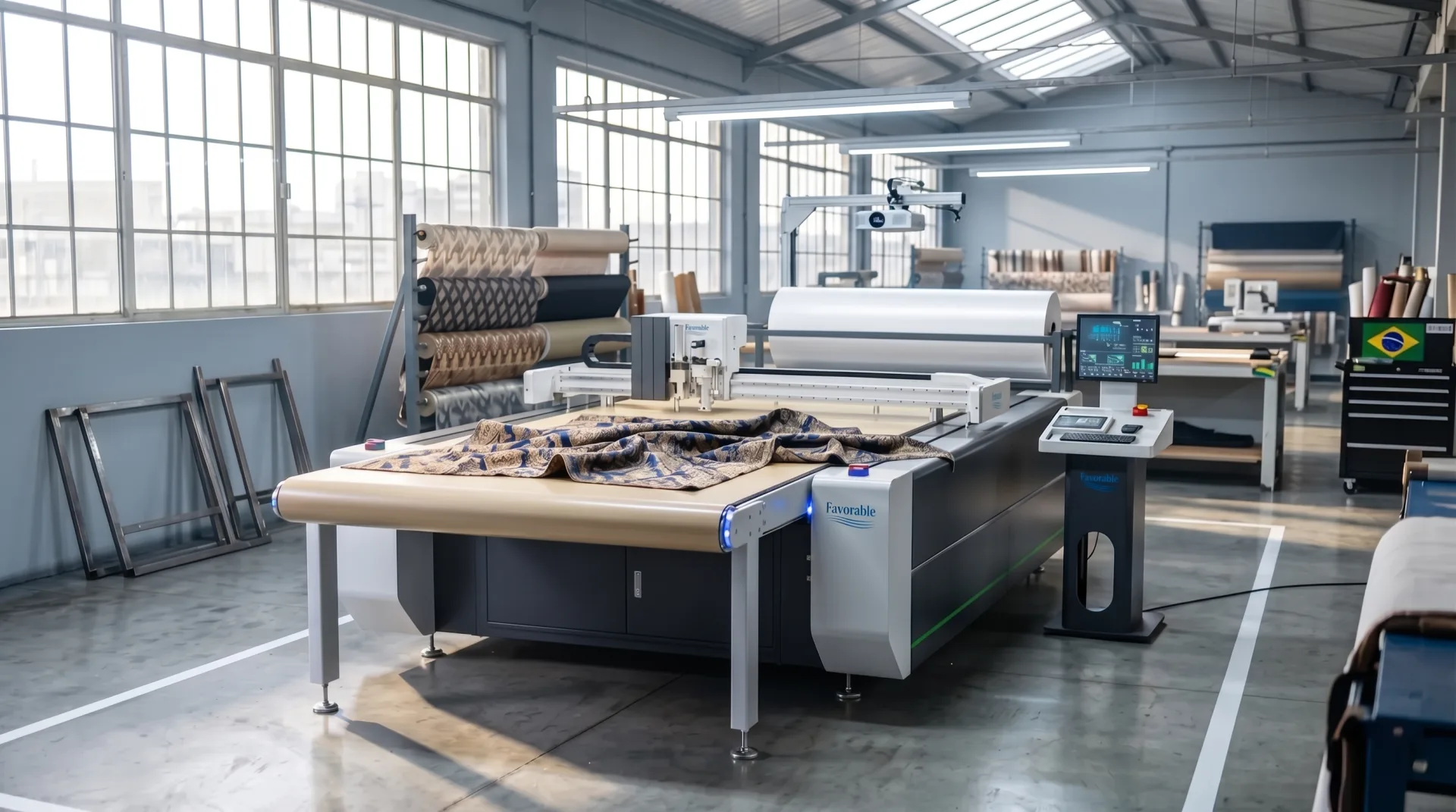
Manual cutting line to automated — one operator runs the full apparel cutting room.
A domestic apparel manufacturer producing diving-wear ran a traditional manual cutting line. Labour cost was rising, operator turnover hit throughput directly, and cutting efficiency could not keep up when orders spiked.
- Operator runs the full line
- 1
- Continuous automated production
- Stable
- Operator-turnover impact on throughput
- Lower
What this plant was up against.
- Challenge 01
Labour cost kept rising
The manual cutting floor depended on a small pool of skilled operators, and labour cost climbed year over year as wages rose.
- Challenge 02
Operator turnover hit throughput directly
Every time a skilled operator left, the cutting line lost production stability — training a replacement took weeks of on-the-floor experience.
- Challenge 03
Cutting efficiency couldn't absorb order spikes
When orders spiked, the manual line had no headroom — bottlenecks pushed delivery dates and forced overtime or outsourcing.
What favorable supplied.
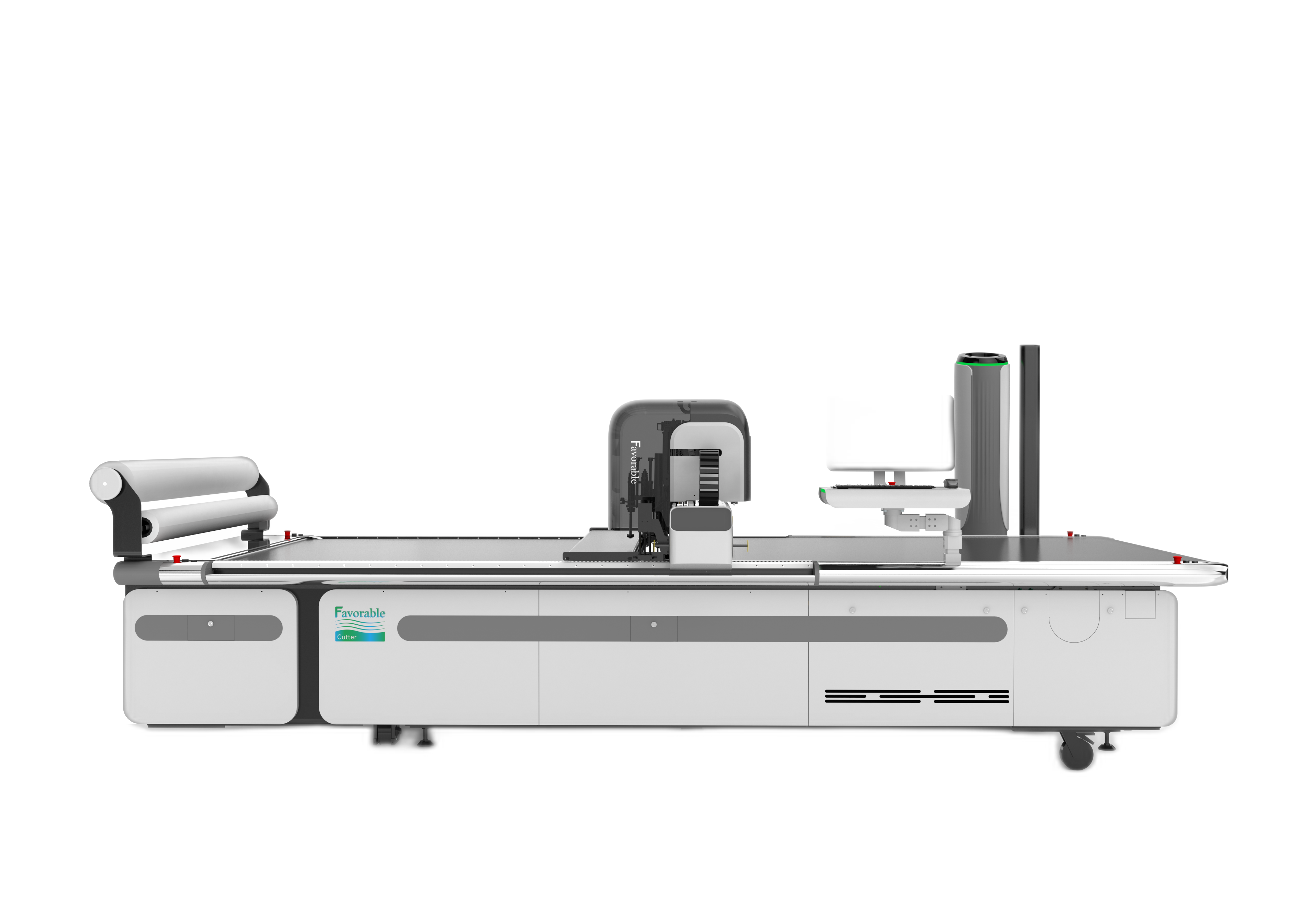
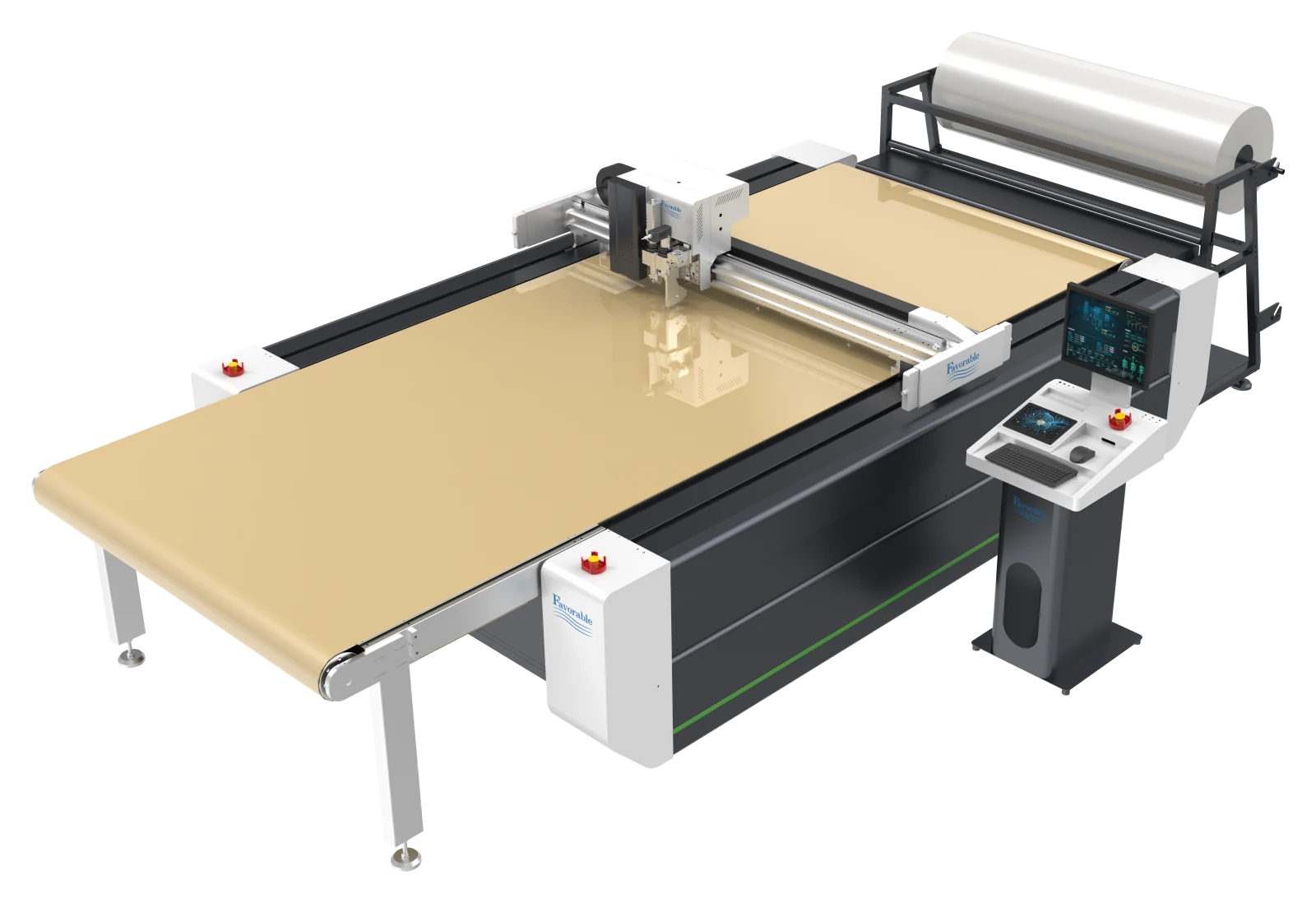
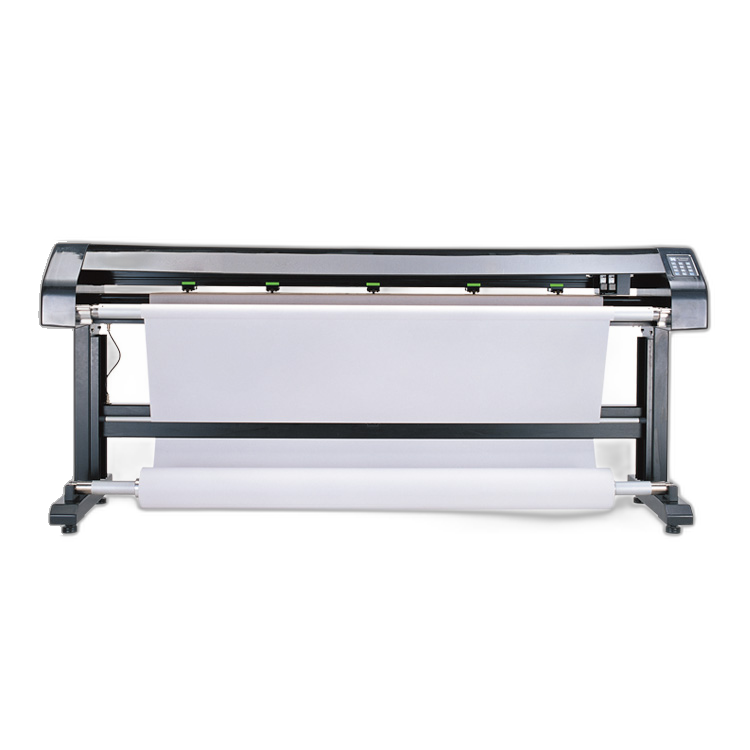
favorable supplied a multi-ply Smart Cutting Bed (FC80), an LHC single-ply cutter for sample and small-batch work, and a high-speed inkjet plotter for marker output. The paired spreader and cutting bed automate lay-up and cutting; one operator now runs the full line in place of a team. Production became continuous and stable, and resilience to operator turnover improved.
Outcomes after the line went online.
- Operator runs the full line
- 1
- Continuous automated production
- Stable
- Operator-turnover impact on throughput
- Lower